Discover More

Tanzania


Mar 21, 2026
From Arusha to Karatu: Budget Safaris and Local Life in Tanzania
Posted by Emilie
Our arrival in Tanzania was anything but smooth. After a six-hour public shuttle ride from Nairobi, Kenya to Arusha, we crossed the border without much trouble - just the usual lines and paperwork. But once we stepped off the shuttle, the real adventure began.
A Chaotic Welcome in Arusha
It was pouring rain when we arrived, and we were immediately surrounded by people trying to sell us safaris. Exhausted and drenched, we managed to shake them off and jump into a tuk tuk. That's when I felt a sharp sting from an insect I hadn't even seen, sending pain shooting up and down my leg. Not exactly the welcome we had hoped for.
Our first stop was a phone shop to buy a SIM card. What should have been a quick errand turned into a long wait - the person ahead of us took forever. By the time we finally had our card, the rain was still coming down hard but at least the pain in my leg was easing.
The Apartment Surprise
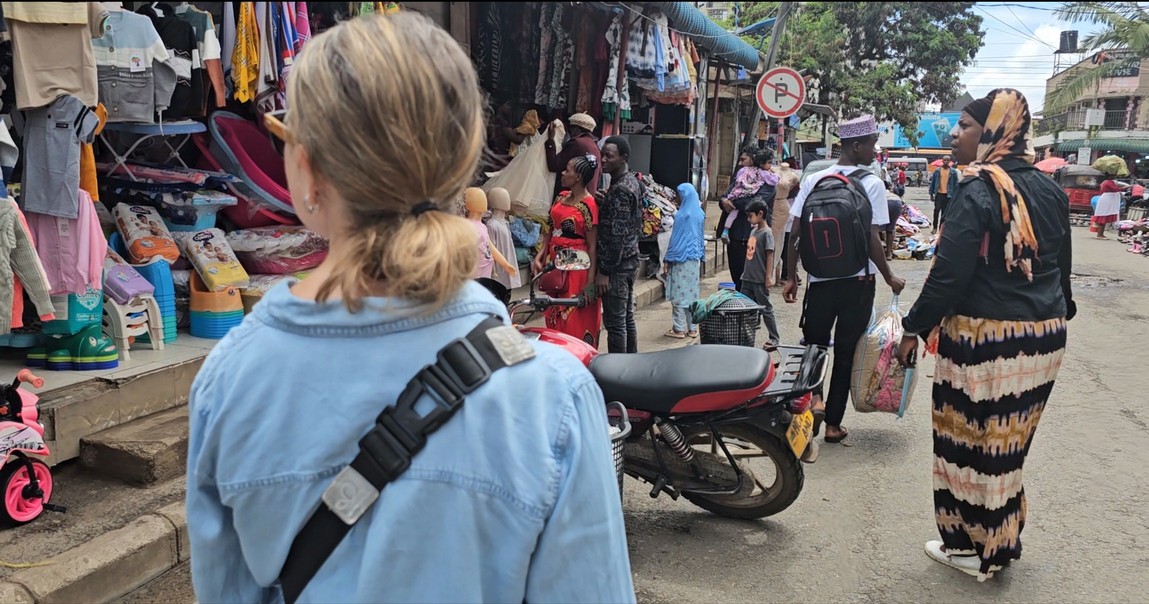
We thought we had booked a one-bedroom apartment with a kitchen, but when we arrived, the "kitchen" turned out to be just a counter and sink. It wasn't what we expected, but we made the best of it. Staying in a less touristy part of town meant we could wander through local markets, buy fresh fruit, and enjoy walking around without being hassled by vendors.
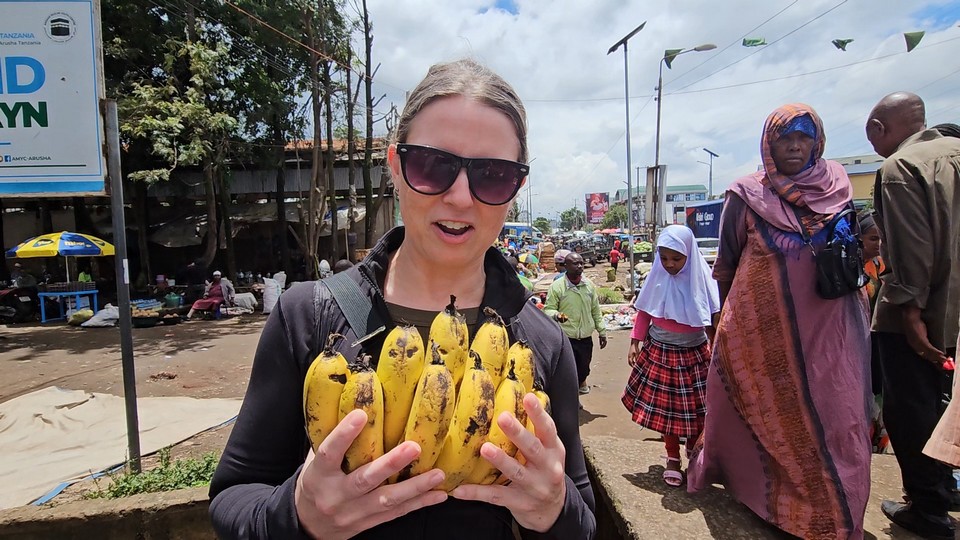
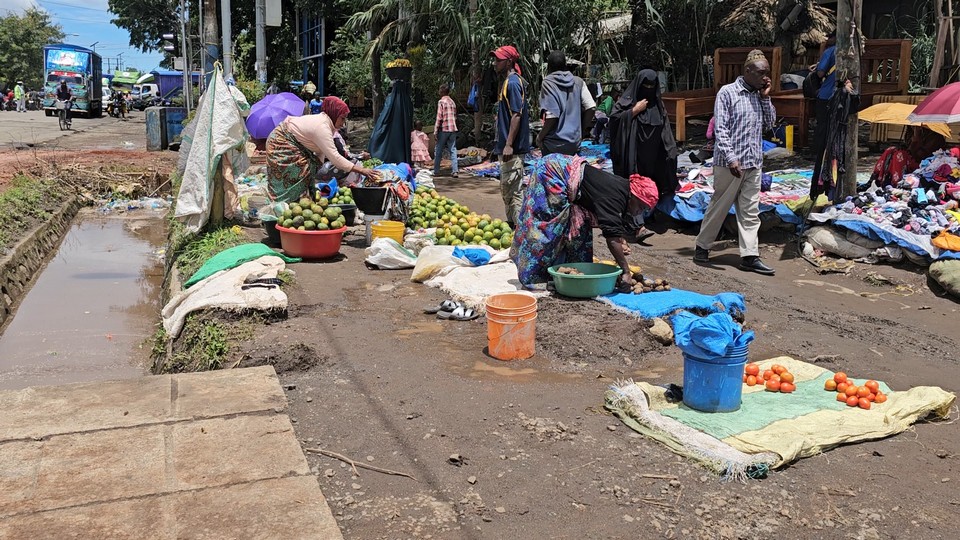
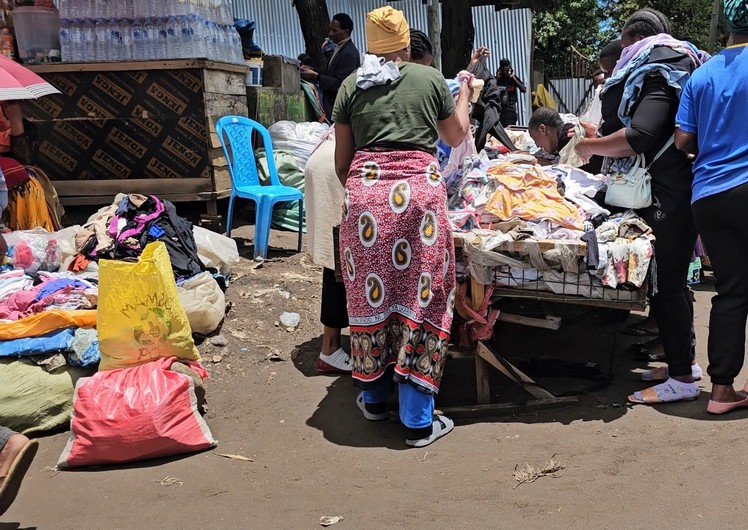
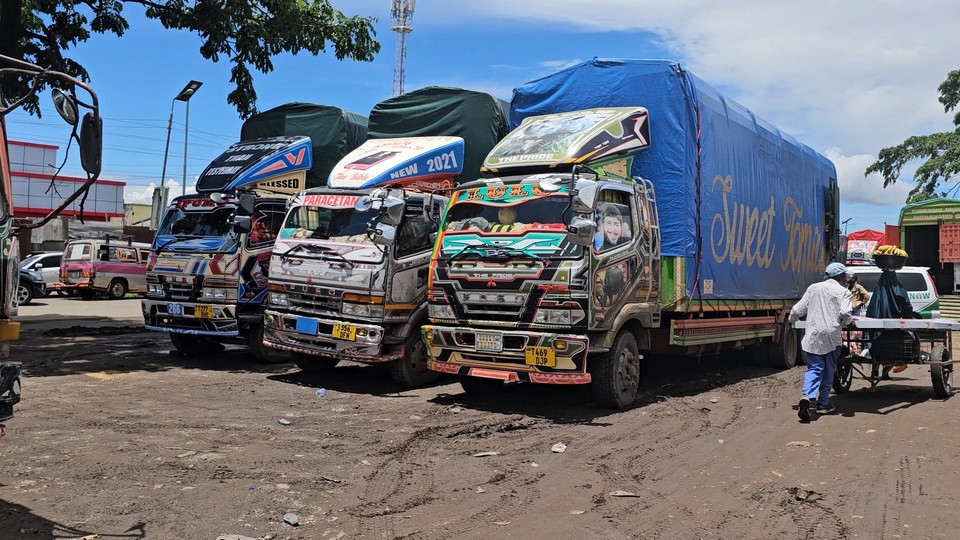
But the challenges didn't stop there. One night at 2 a.m., I awoke to someone banging on our door and Chris standing at the door shouting back, "No, I'm not letting you in!". It was heart pounding. The man on the other side of the door didn't speak much English, and we don't speak Swahili, so we had no idea what was happening. Eventually, we concluded he had probably booked a room in the same building but arrived late with no one around to give him a key. He must have tried knocking on doors to find help. We called the 24-hour line for the apartment, but no one answered. Eventually, the man went quiet - likely waiting in the hallway - and we managed to get back to sleep.
Heading to Karatu
The next morning, we were ready to move on. At the Arusha bus station, we paid 7,000 TZS ($2.70 USD) each for the 2.5-hour ride to Karatu.
Karatu felt immediately different - calmer, smaller, and closer to the safari parks we wanted to explore. We stayed at a lovely homestay for about $25 USD per night, breakfast included. It was the perfect base for day trips to nearby parks.
Budget-Friendly Safaris
From Karatu, we arranged safaris with local guides recommended by our homestay host. As we had hoped, it was less costly to book this way rather than the packages we had seen online. This was in part because, by going on day trips, we can choose our own accommodations, and not have to pay full-board for a guide. I learned that even the online "budget" safari packages might put you in accommodations that are much higher than what we were paying.
Tarangire National Park
Our first safari from Karatu was to Tarangire National Park. Entry cost us $60 USD per person, and then we paid $250 for the vehicle and driver.
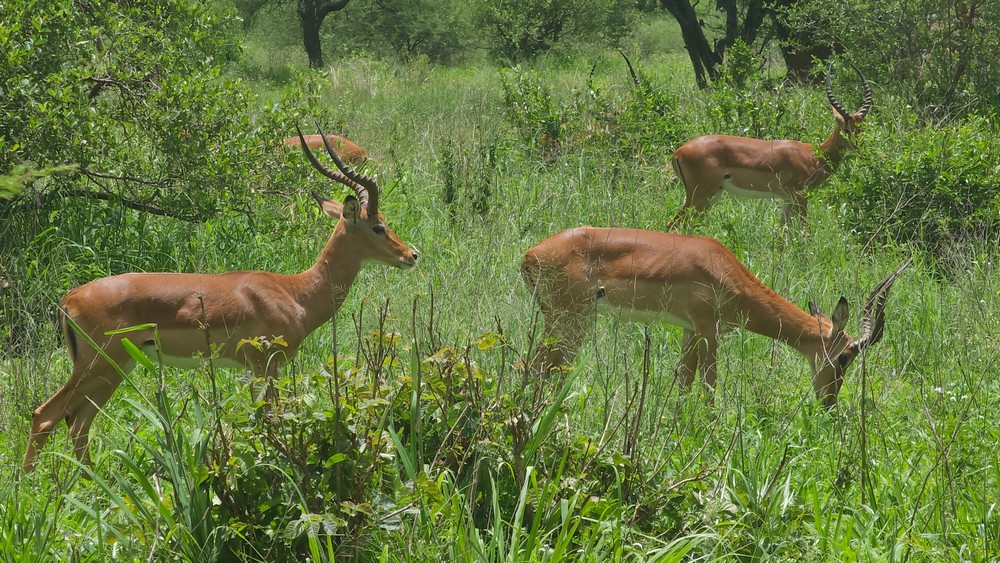
The park itself had less wildlife than usual, according to our driver, but we still saw some cool animals. We spotted a leopard lounging in the trees, though it took some patience to find it.
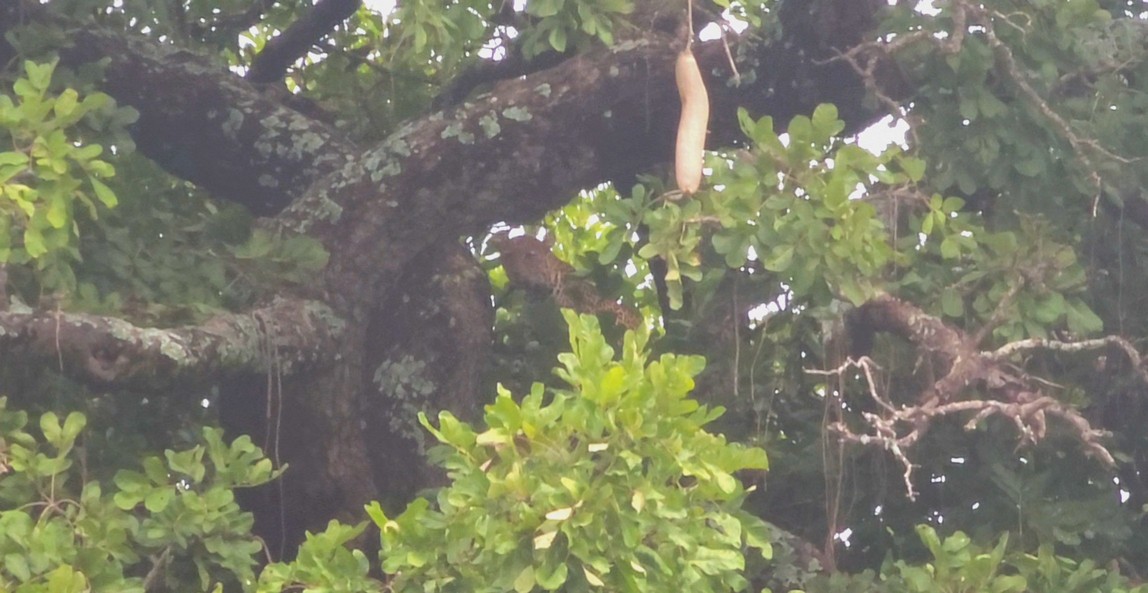
Seeing ostriches in the wild for the very first time was another highlight - I loved the way their faces looked. And then there were the elephants. We watched a baby elephant try to eat from its sibling's mouth. The sibling clearly wasn't thrilled about sharing though! Between the leopard sighting, the ostriches, and the playful elephants, Tarangire gave us a safari day full of surprises and moments we'll never forget.
Ngorongoro Crater
If Tarangire felt magical, Ngorongoro Crater felt almost unreal. This park is often called one of the best safari destinations in the world, and honestly - it feels like cheating. Animals are everywhere.
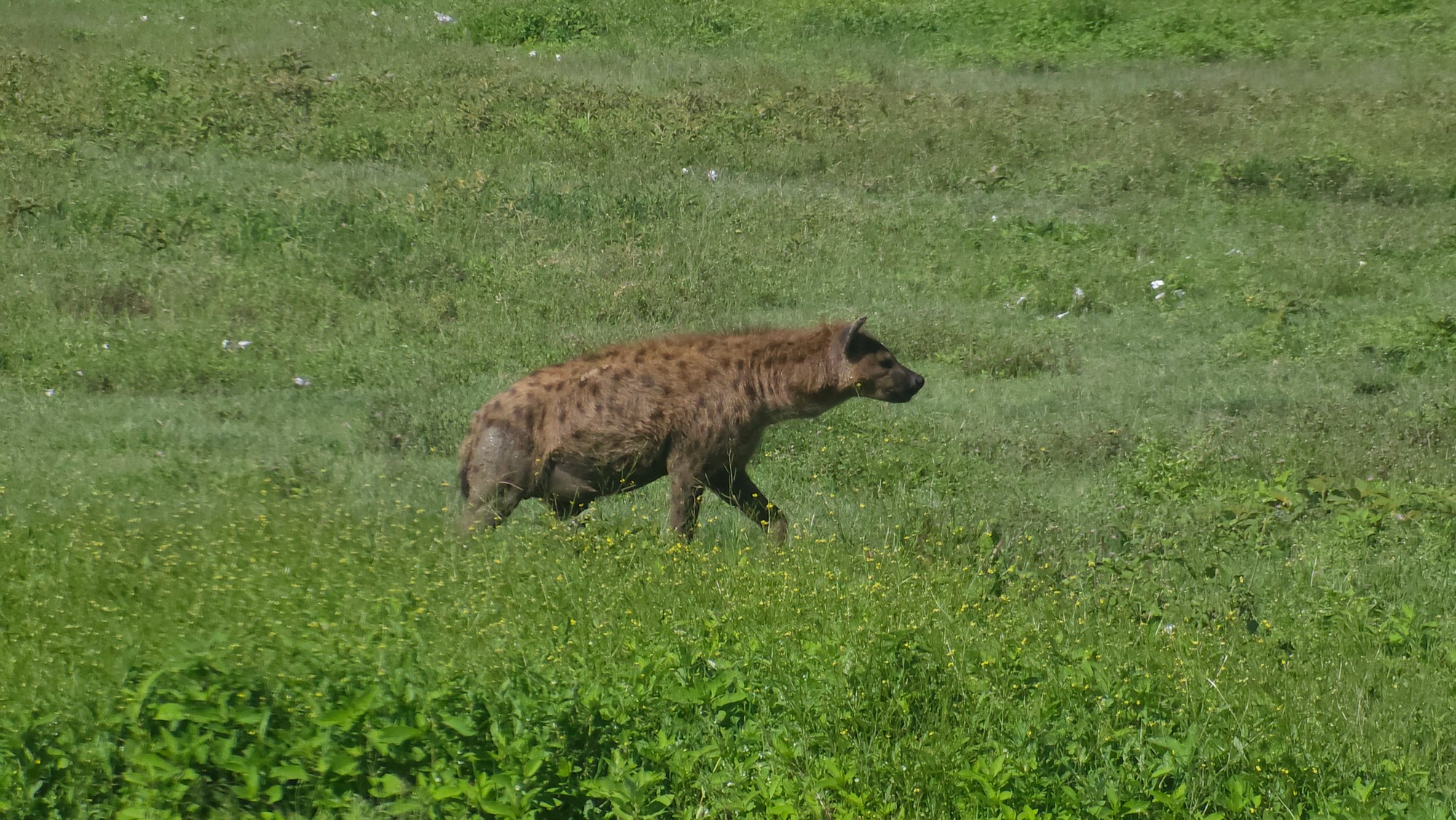
One of the most unforgettable moments was watching a lion with a magnificent mane - straight out of The Lion King, like Mufasa himself - feasting on a gazelle. Nearby, hyenas and jackals circled impatiently, waiting for their turn. The tension was palpable. When the lion finally finished and walked away, the scavengers rushed in immediately, fighting over what was left.
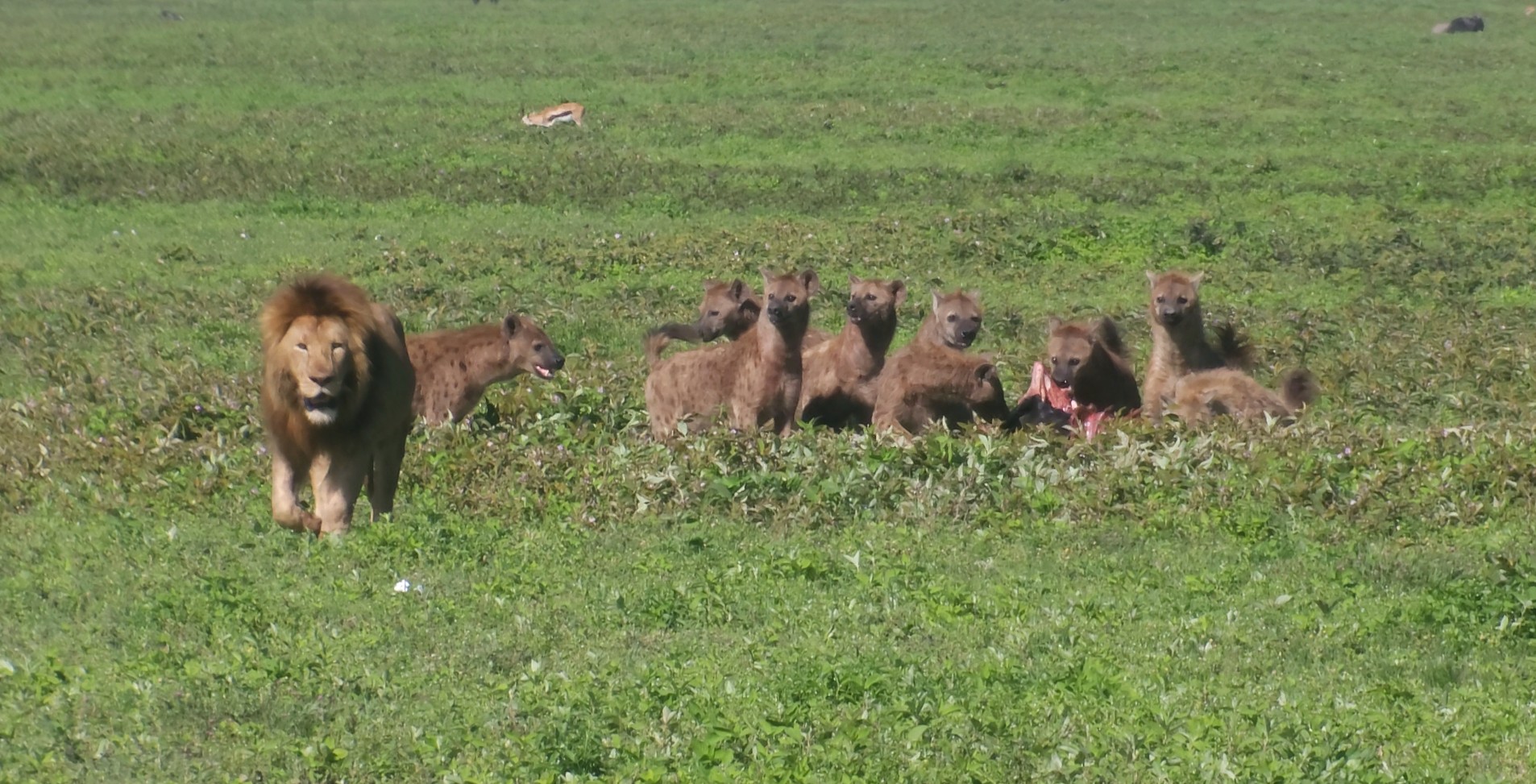
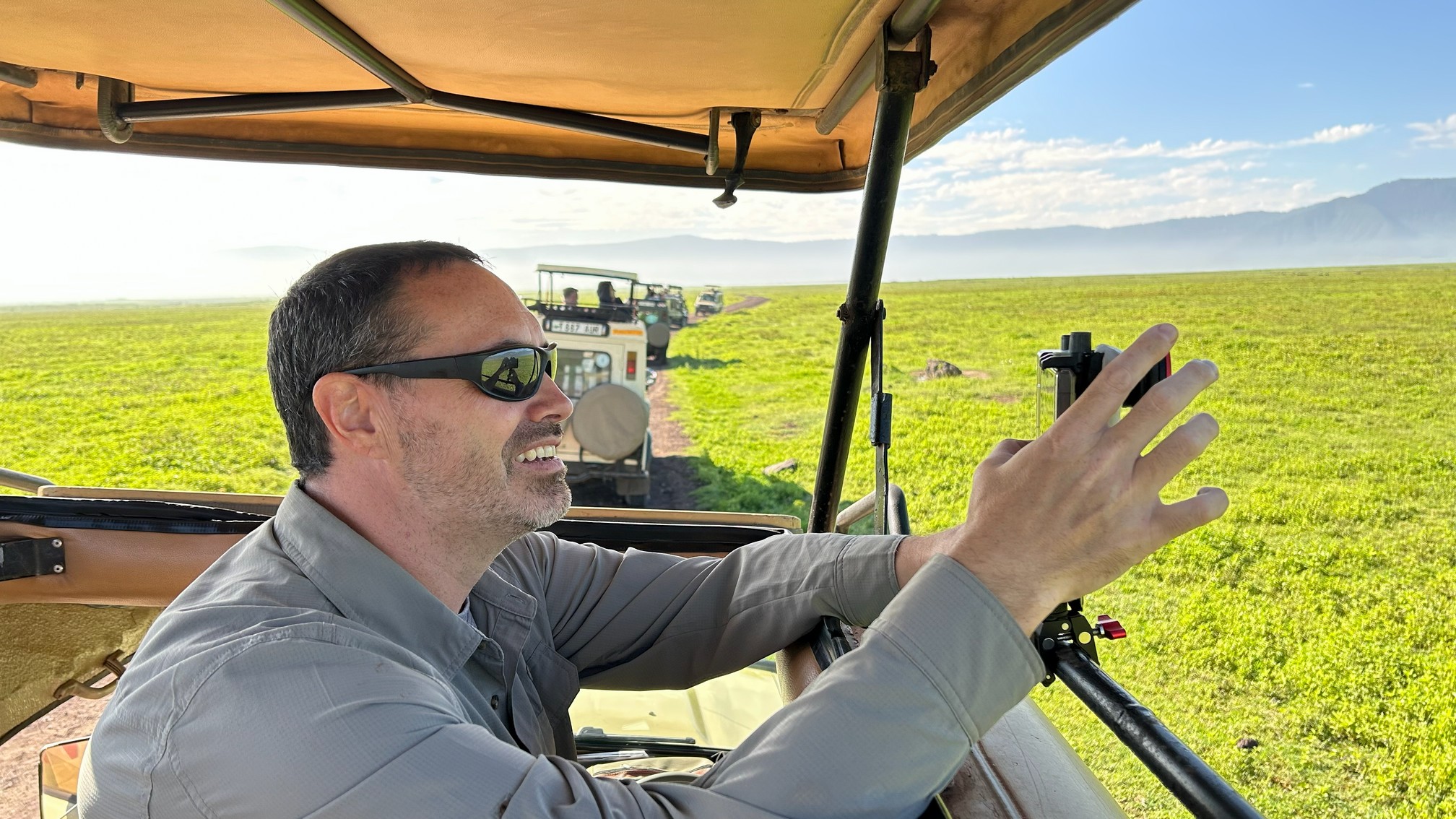
Then, adrenaline spiked again: the lion started walking directly toward us. It passed right in front of our safari vehicle, close enough that we could see every detail of its mane and muscles. It was one of those heart-pounding safari moments you never forget.
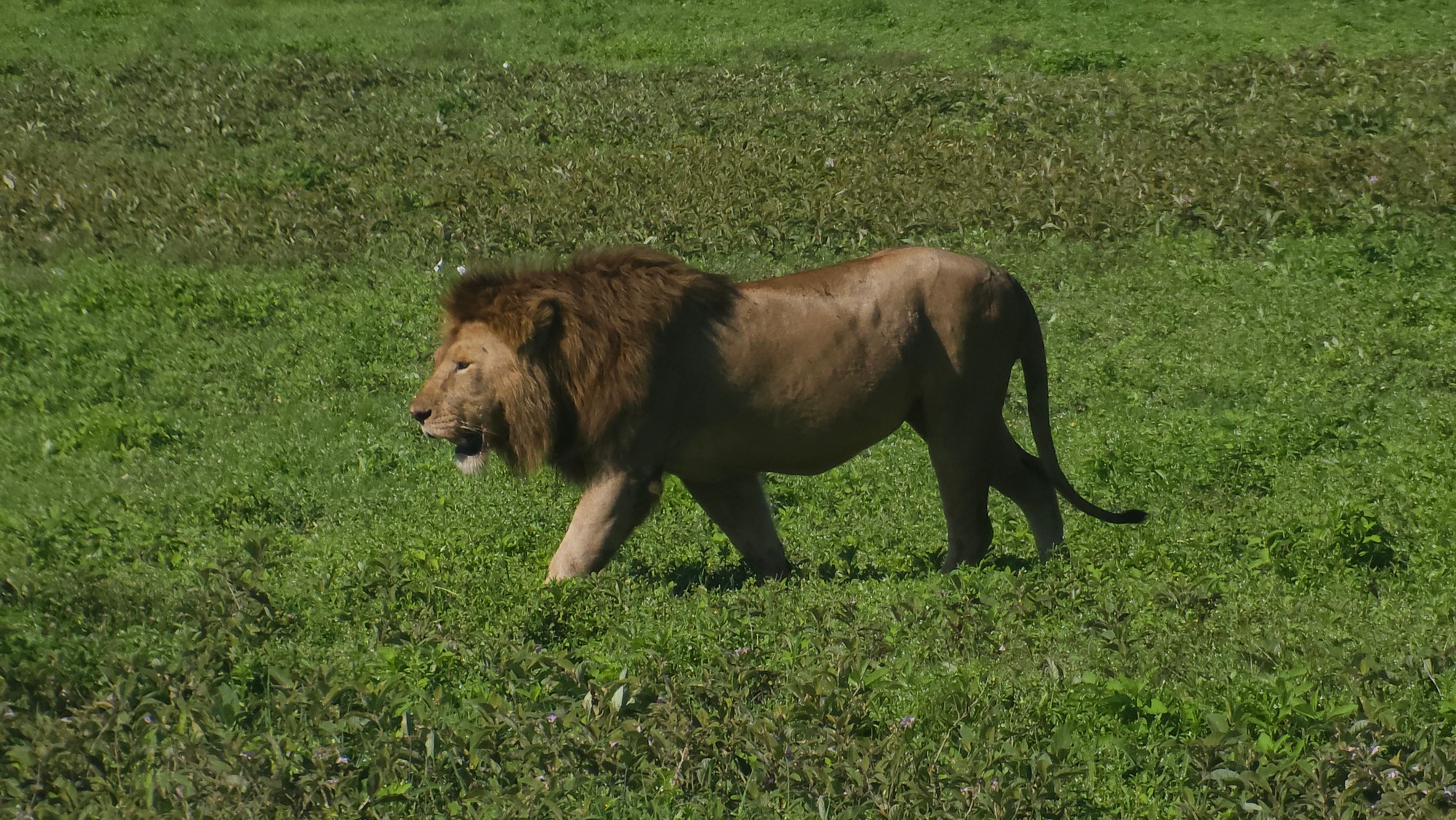
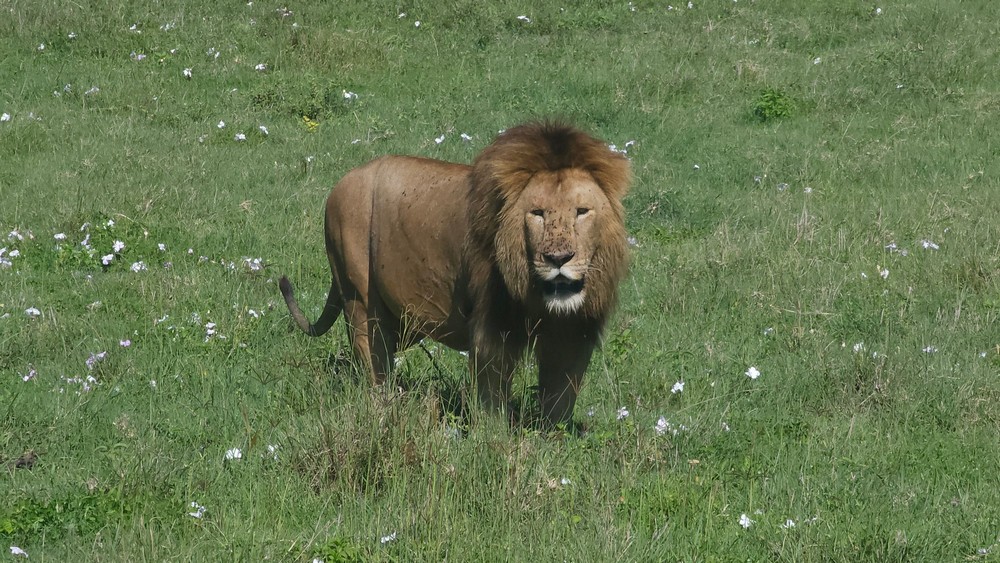
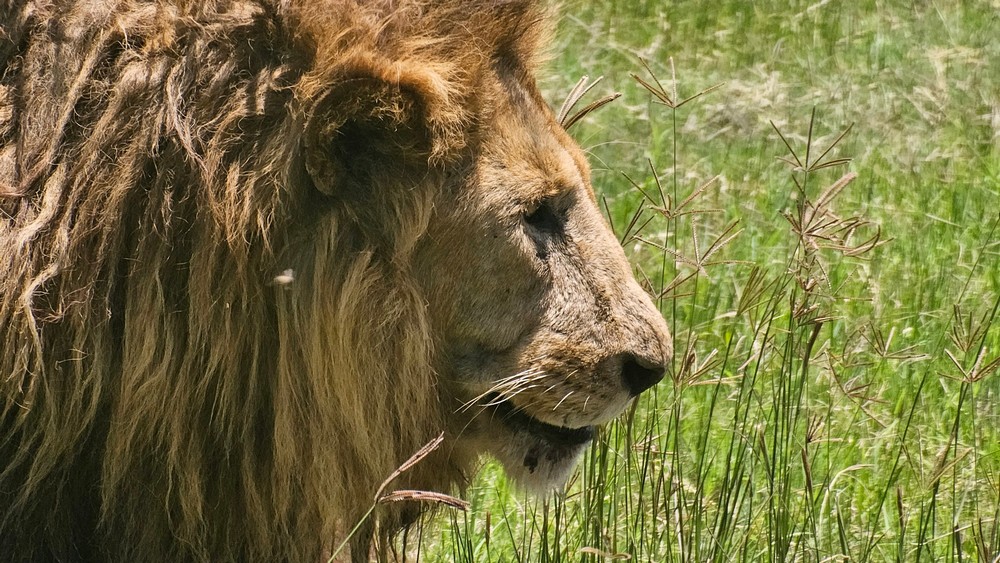
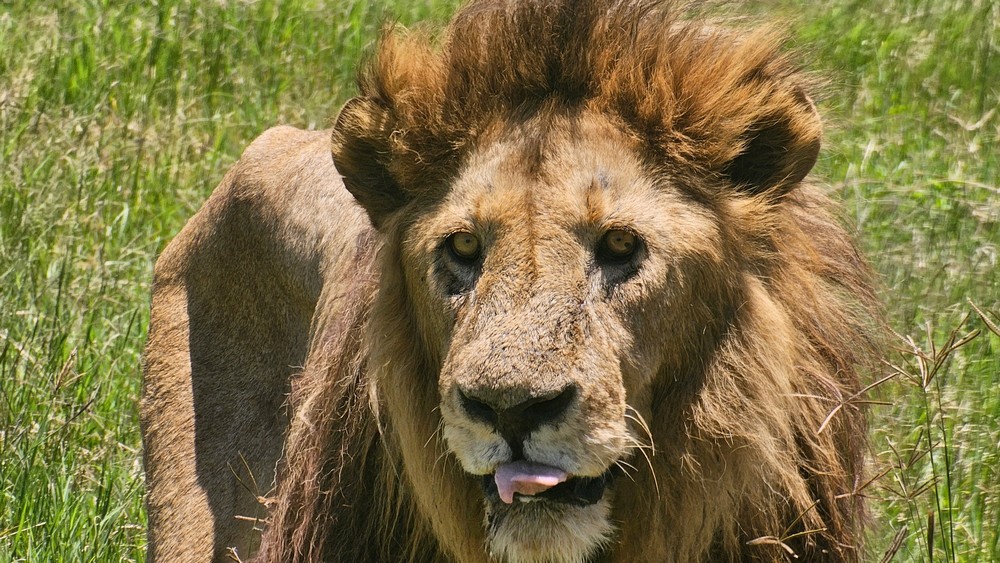
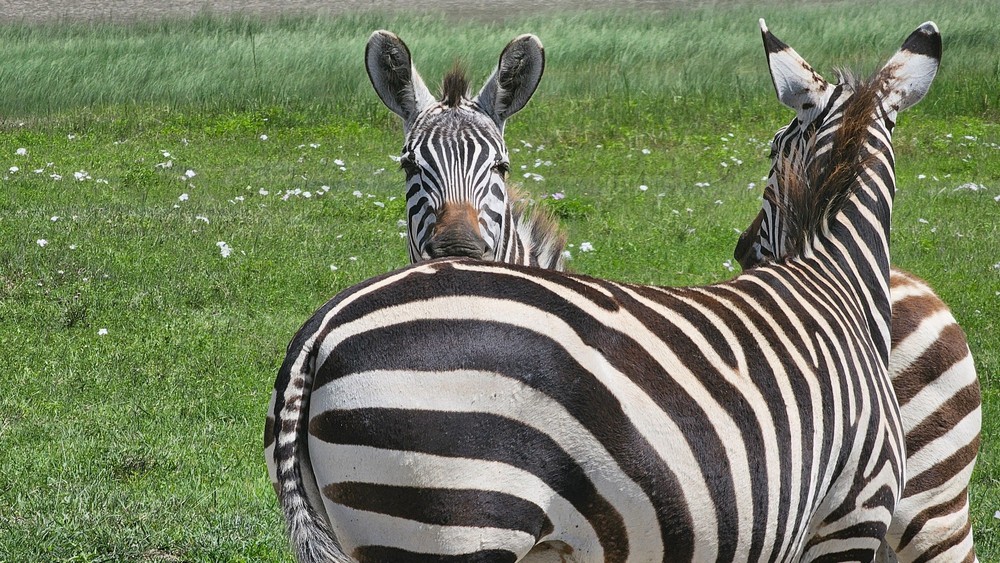
Beyond the lion drama, Ngorongoro offered endless wildlife encounters. We saw wildebeest for the first time - much more graceful than we had imagined - alongside herds of zebras, cape buffalo, and brilliantly colored birds. And more lions, too: males, females, lounging, hunting, and roaming across the crater floor, some coming right up to our safari vehicles to rest in the shade!
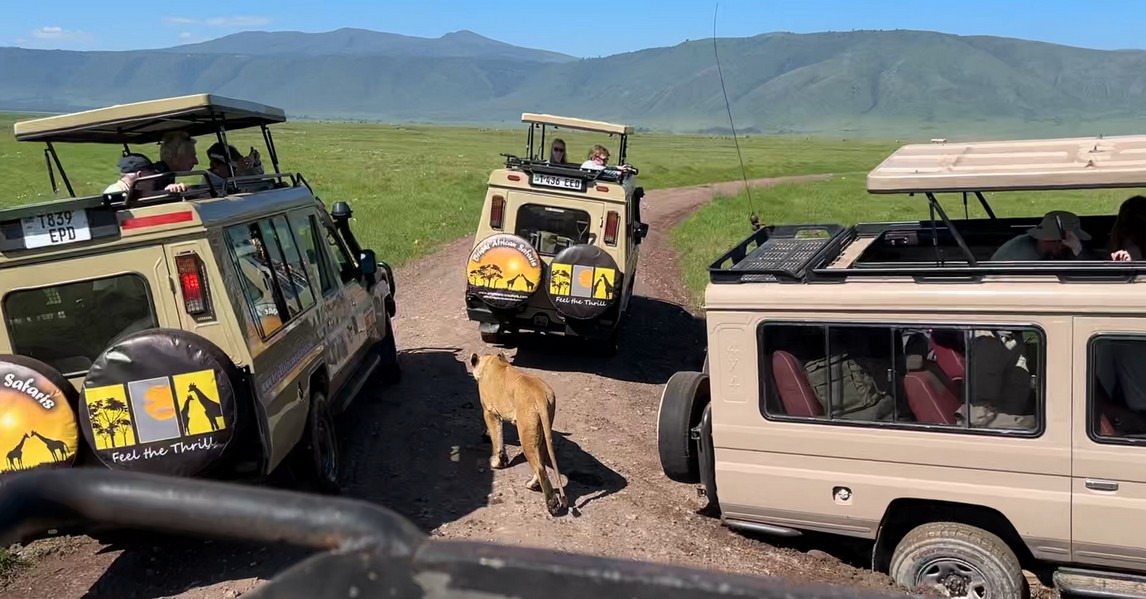
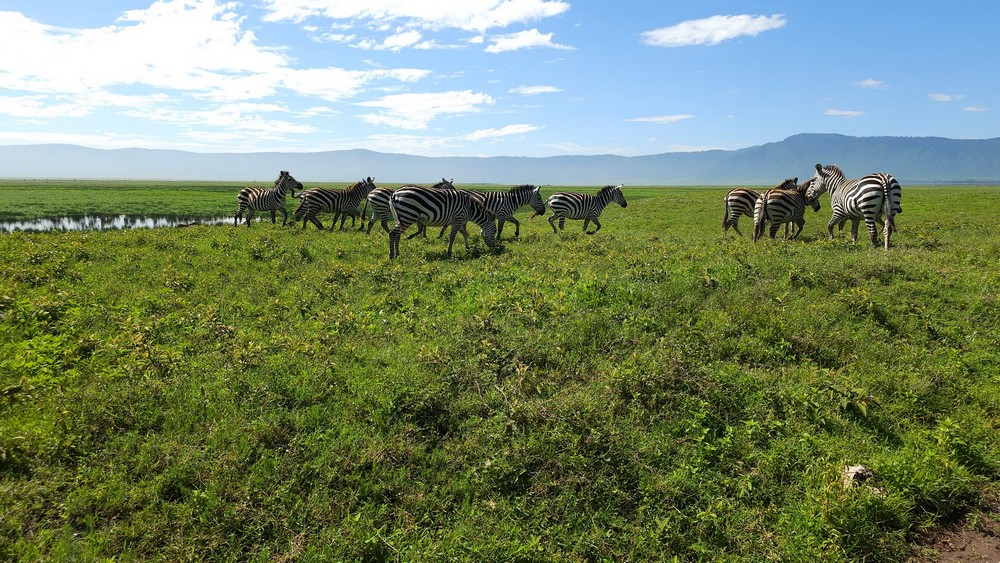
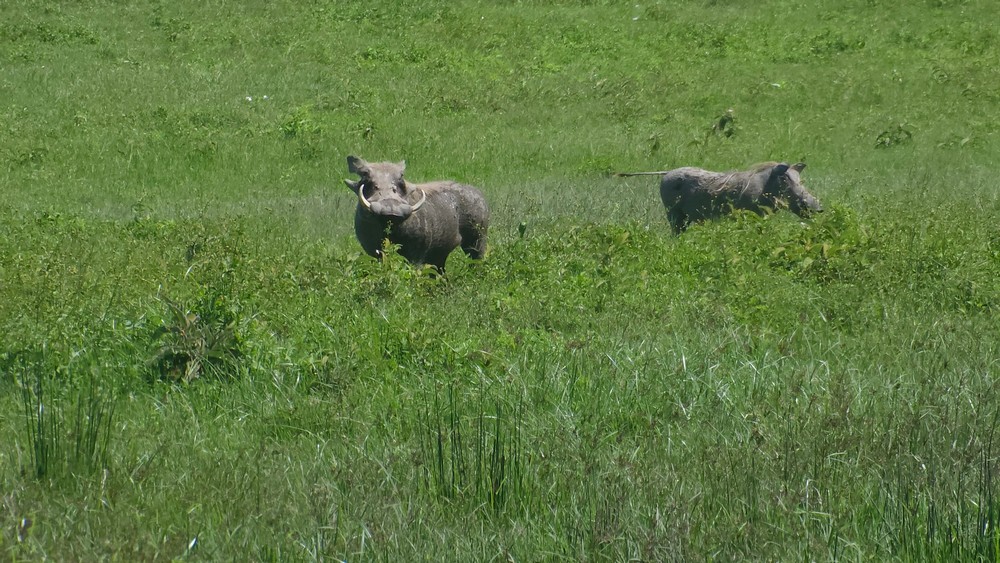
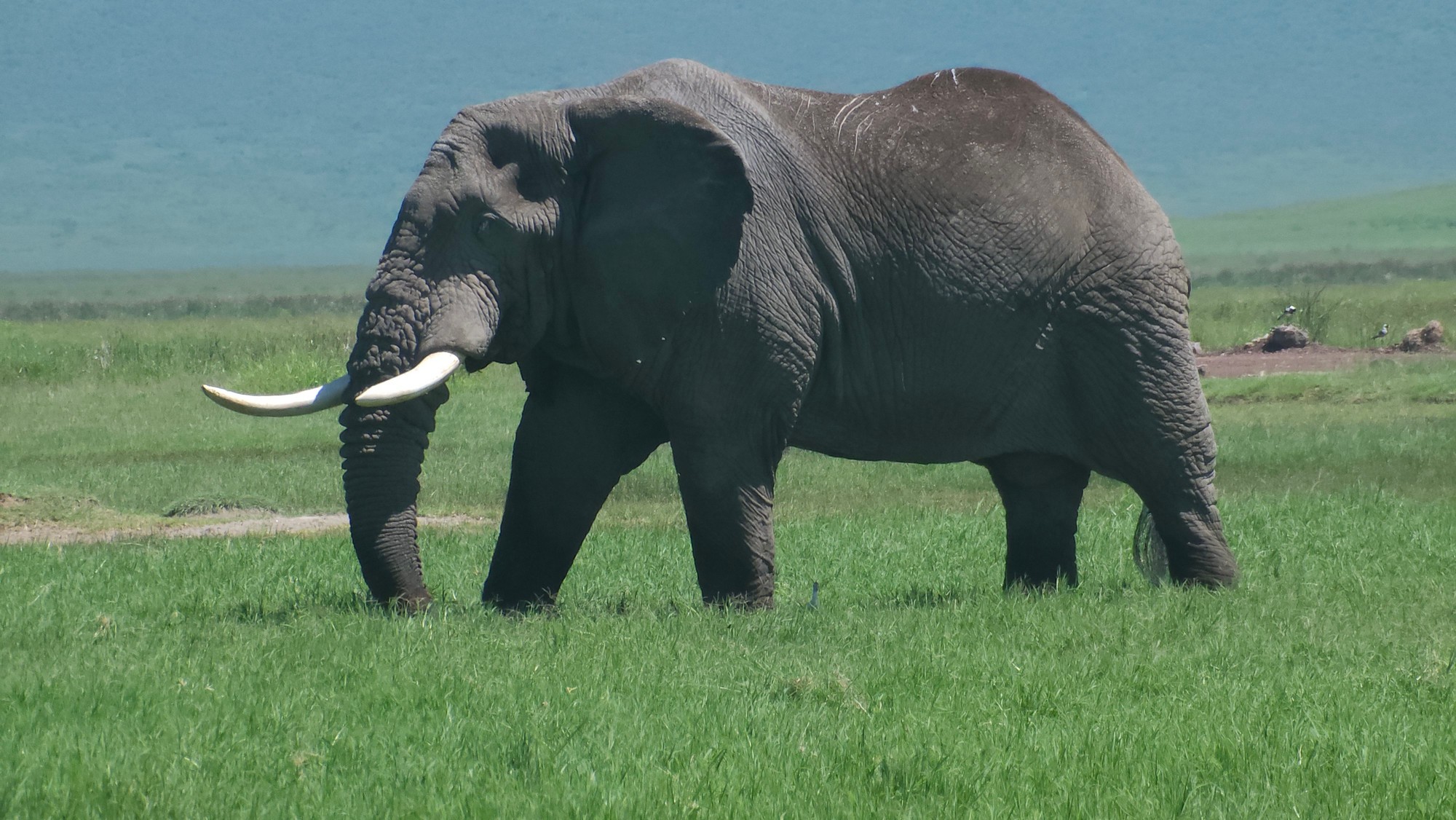
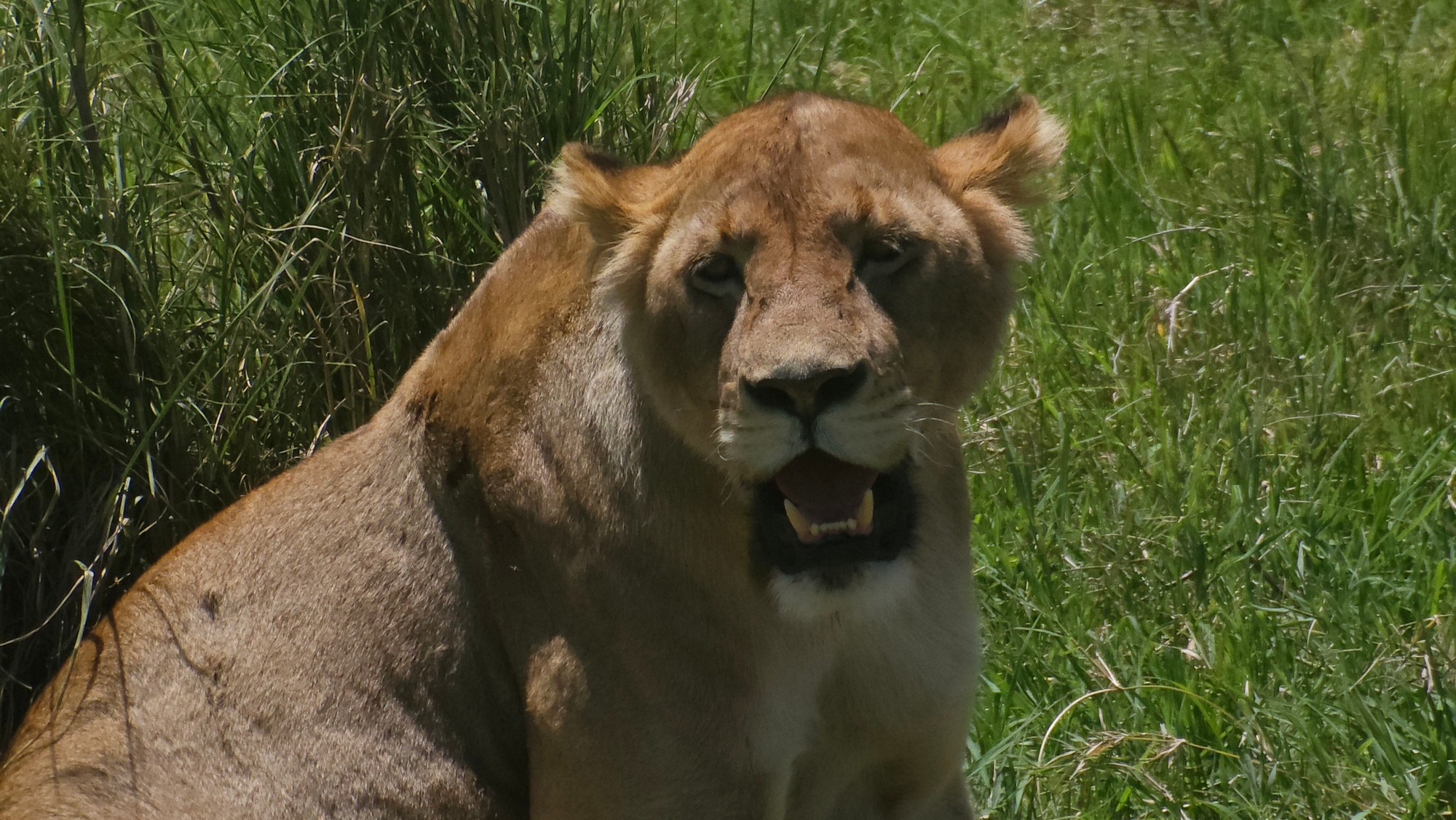
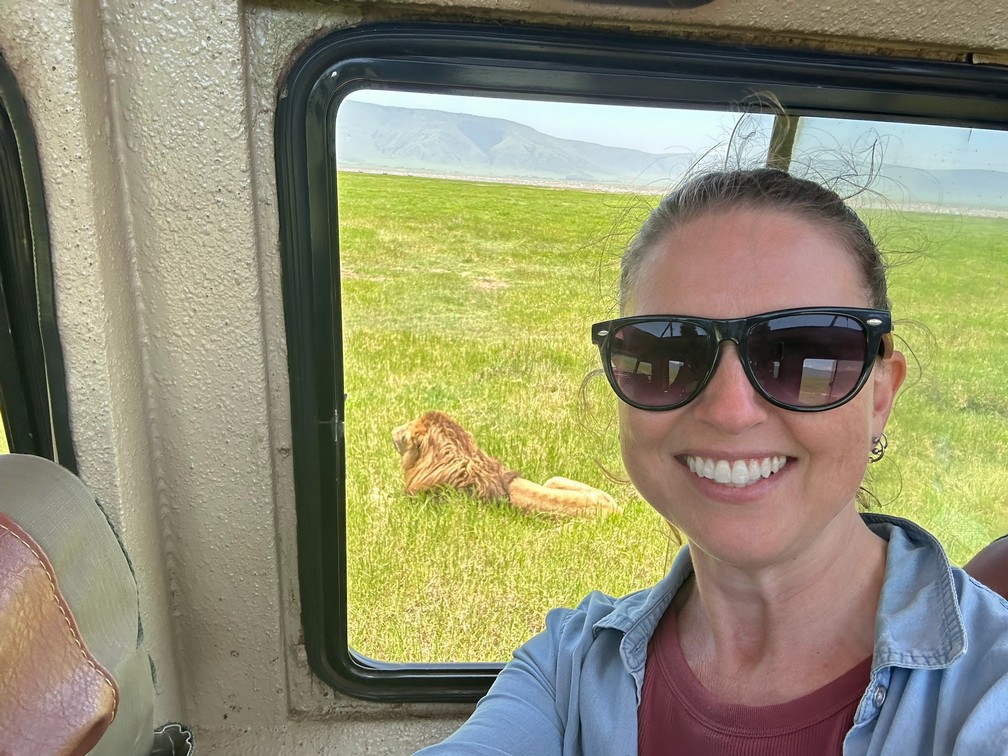
The sheer density of animals in Ngorongoro is astonishing. Every turn of the road revealed another scene straight out of a nature documentary. It's a bit pricey to visit, but the experience is so extraordinary that it feels worth every dollar.
Life in Karatu, Tanzania
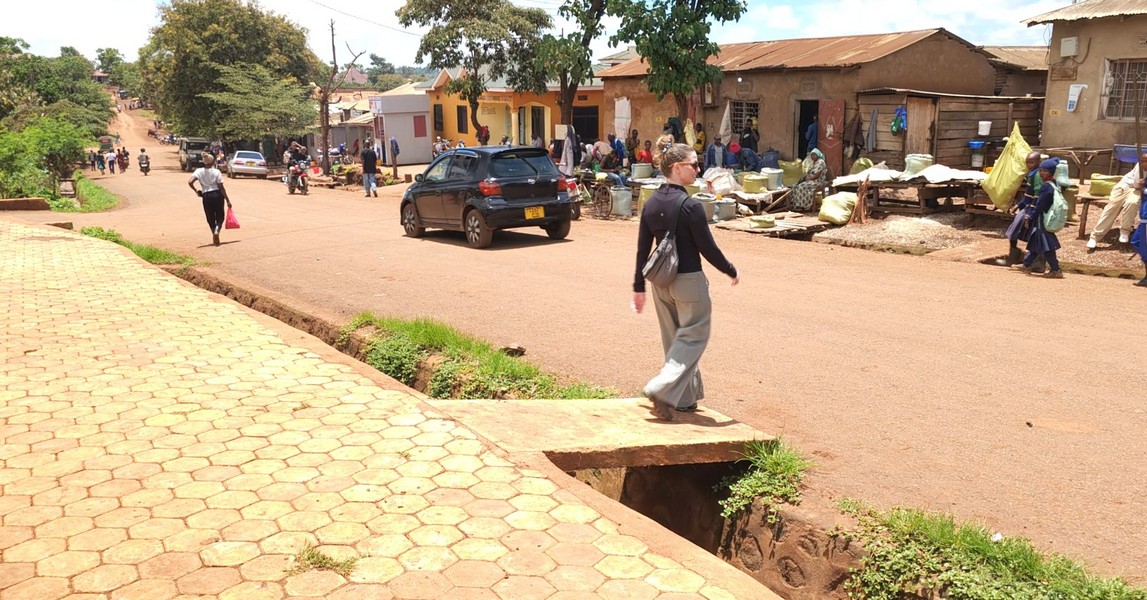
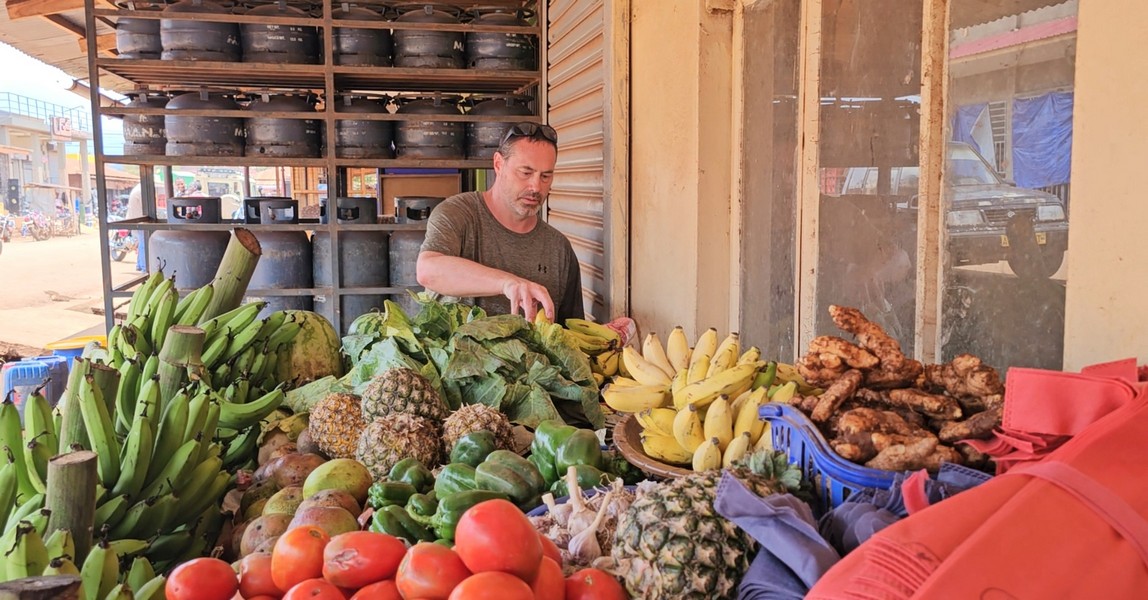
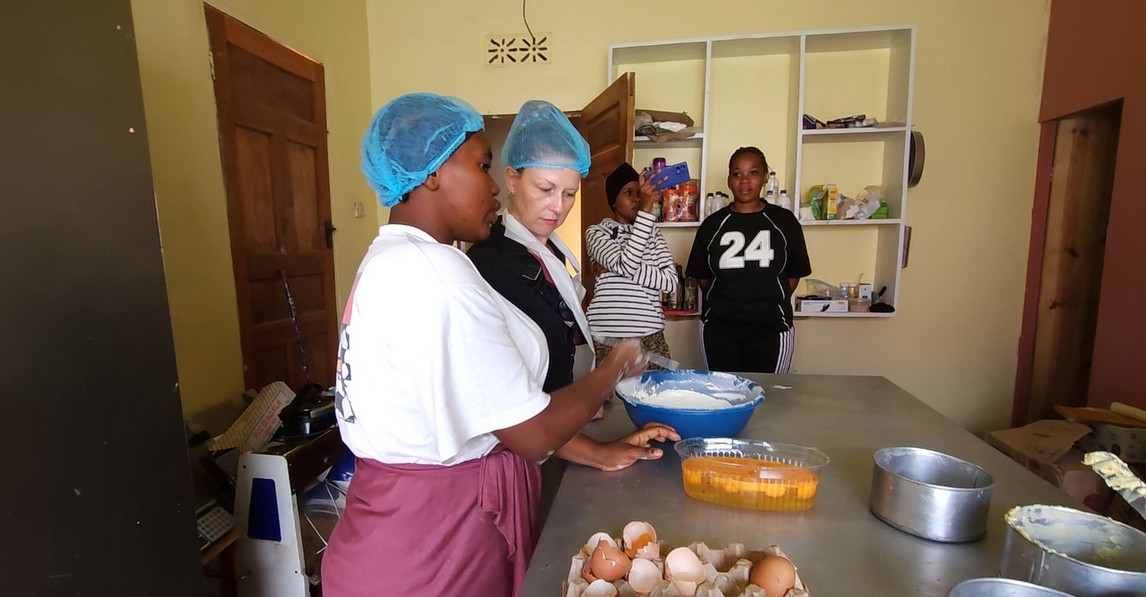
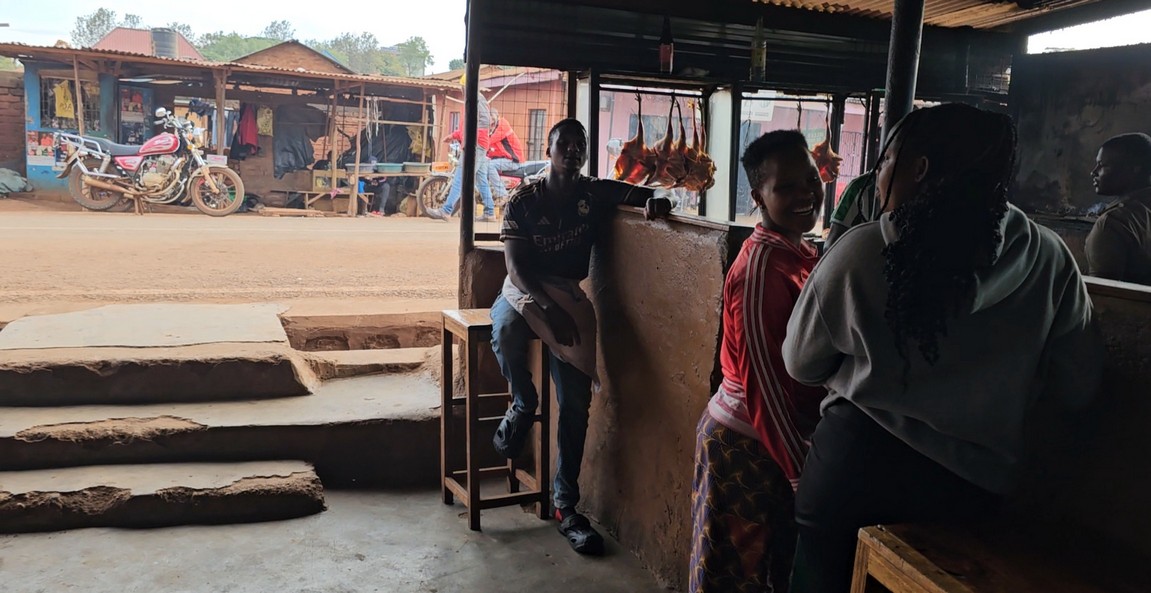
Beyond the safaris, we spent over a week enjoying Karatu itself. We met locals, discovered our favorite bakeries, and found small shops and restaurants we loved. It was a chance to slow down, connect with the community, and enjoy daily life in Tanzania.
Our Time Here
Our time in Arusha and Karatu was full of ups and downs - rainstorms, insect stings, unexpected apartment surprises, and even a midnight scare. But it also gave us incredible safaris and the chance to live our daily lives here. By basing ourselves in Karatu and booking directly with local operators, we saved money, gained flexibility, and had unforgettable experiences.

Our Current Trip
Check out more blog posts about the current trip we're on.

Travel Gear
See the gear we use that make our long-term travel easier.

DIY Projects
Blog posts and videos about our DIY projects for our travels and Honda Pilot Microcamper.